Muktai Heart Care Clinic provides advanced evaluation for patients with complex heart conditions, including those who may require a Cardiac Resynchronization Therapy Defibrillator (CRTD). While medications remain the foundation of heart failure treatment, some patients with weakened heart function and abnormal electrical conduction may benefit from device-based therapy.
A CRTD combines two important functions in one device. It helps coordinate the heart's pumping action while also providing protection against potentially life-threatening abnormal heart rhythms. The decision to implant a CRTD is made only after detailed clinical evaluation by a cardiologist.
What Is a CRTD?
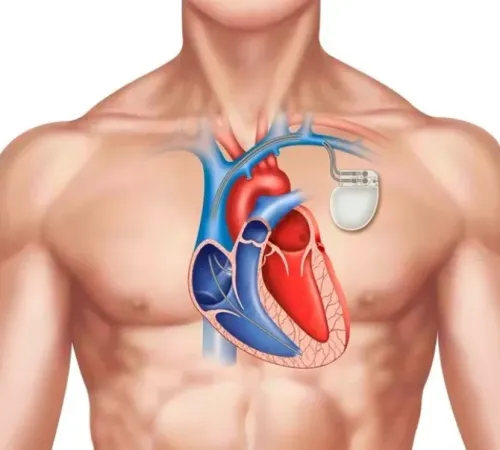
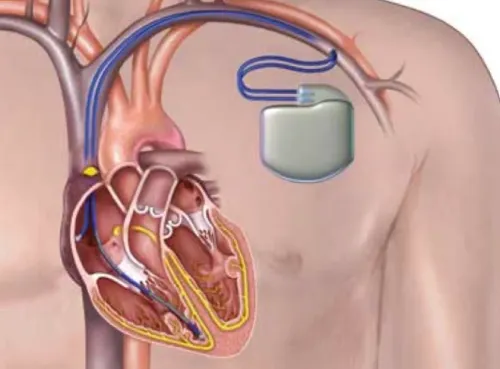
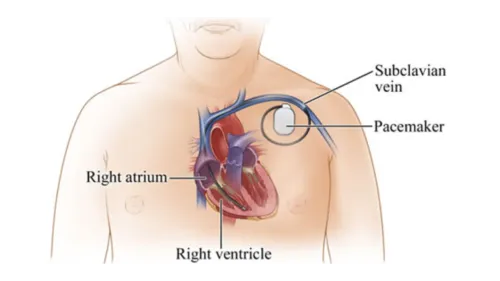
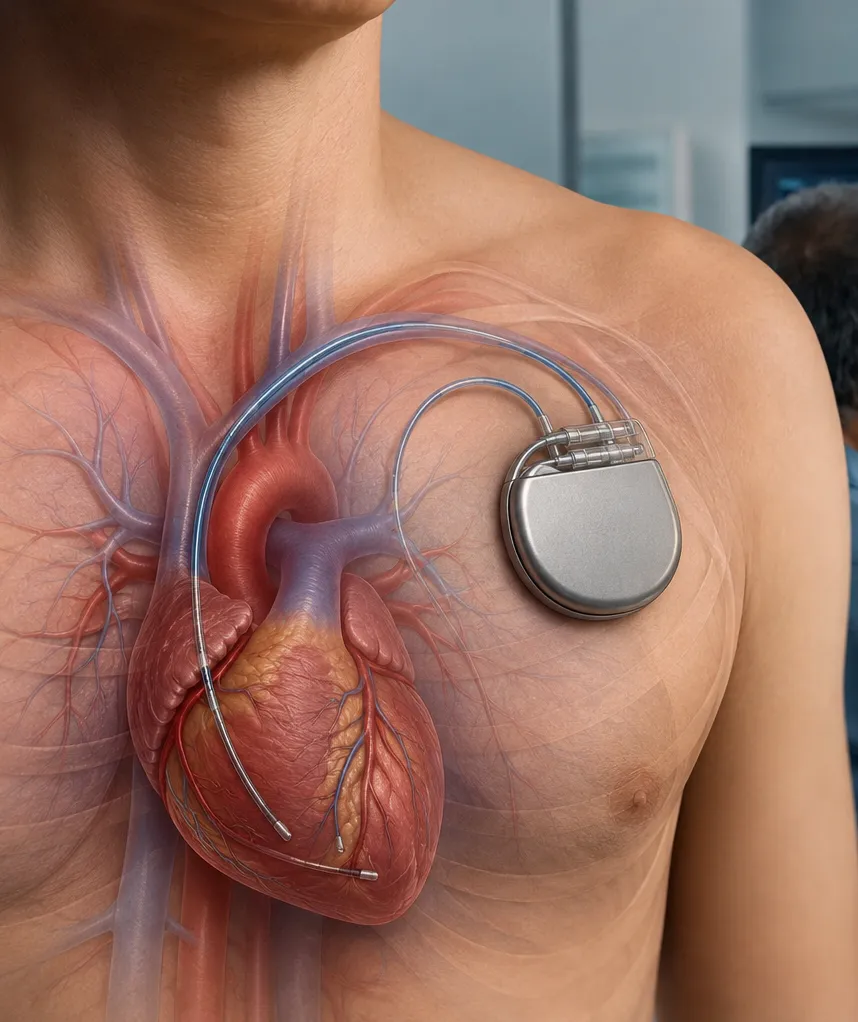
A Cardiac Resynchronization Therapy Defibrillator is a small implantable device placed beneath the skin, usually below the collarbone. Thin wires called leads are positioned inside the heart to monitor and regulate its electrical activity.
The device performs two key roles:
- Synchronises the contraction of the heart's ventricles to improve pumping efficiency.
- Detects and treats dangerous ventricular arrhythmias by delivering appropriate therapy when needed.
Who May Need a CRTD?
A cardiologist may recommend further evaluation for CRTD if a patient has:
- Heart failure with significantly reduced pumping function
- Persistent symptoms despite appropriate medical treatment
- Electrical conduction abnormalities affecting coordinated heart contractions
- Increased risk of serious ventricular rhythm disturbances
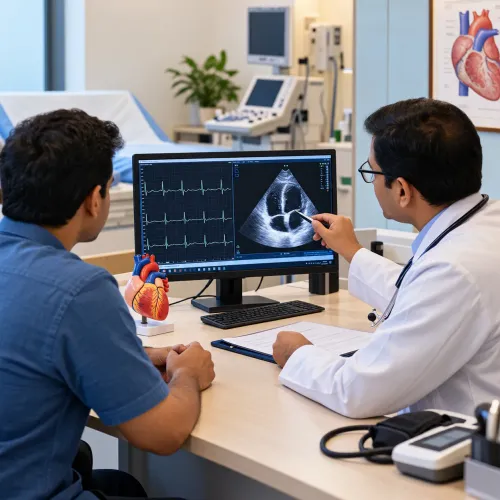
Not everyone with heart failure requires this device. Suitability depends on imaging findings, ECG patterns, symptoms, and overall clinical assessment.
Benefits of Appropriate CRTD Therapy
For carefully selected patients, CRTD may help:
- Improve coordination of heart contractions
- Reduce symptoms related to heart failure
- Enhance exercise tolerance
- Lower the risk of sudden cardiac death caused by dangerous rhythm disturbances
- Improve overall quality of life
Regular follow-up is essential to ensure the device continues to function correctly.
What Happens After Implantation?
Following implantation, patients typically undergo scheduled device checks. During these visits, the cardiologist evaluates:
- Device performance
- Battery status
- Heart rhythm recordings
- Lead function
- Response to therapy
Patients are also encouraged to continue prescribed medications and adopt heart-healthy lifestyle measures.
Advanced Heart Care in Kalyan
Heart failure management often requires a combination of medication, lifestyle modification, regular monitoring, and, in selected cases, advanced device therapy. Residents of Kalyan experiencing persistent breathlessness, fatigue, or worsening heart failure symptoms should not delay evaluation.
A comprehensive cardiac assessment helps determine whether advanced treatments such as CRTD are appropriate, ensuring that care is tailored to each patient's individual condition.
Keywords