The word pacemaker is often treated as though it refers to one standard treatment. In practice, Temporary Pacemaker support and a Permanent Pacemaker serve different clinical purposes.
Understanding this distinction can help patients and families make sense of recommendations when an abnormally slow heart rhythm or conduction problem requires treatment.
For people receiving cardiac assessment in Kalyan, Maharashtra, the choice depends on why the heart rhythm has become abnormal and whether the problem is expected to persist.
What Does a Pacemaker Do?
A pacemaker helps manage selected abnormal heart rhythms by delivering electrical impulses when required.
It is generally considered when the heart's natural electrical system is not maintaining an appropriate rhythm in specific clinical situations.
Symptoms associated with slow or abnormal rhythms can include dizziness, fainting, unusual weakness, reduced exercise tolerance or breathlessness, although symptoms vary considerably.
When Is a Temporary Pacemaker Used?
Temporary pacing provides short-term cardiac pacing support.
It may be required when a rhythm disturbance is potentially reversible, occurs during an acute medical situation or needs immediate stabilization while doctors determine the longer-term treatment plan.
Because temporary pacing is used in specific monitored clinical circumstances, it should not be thought of as simply a trial version of a permanent pacemaker.
Its role is determined by the immediate cardiac condition.
When Is a Permanent Pacemaker Considered?
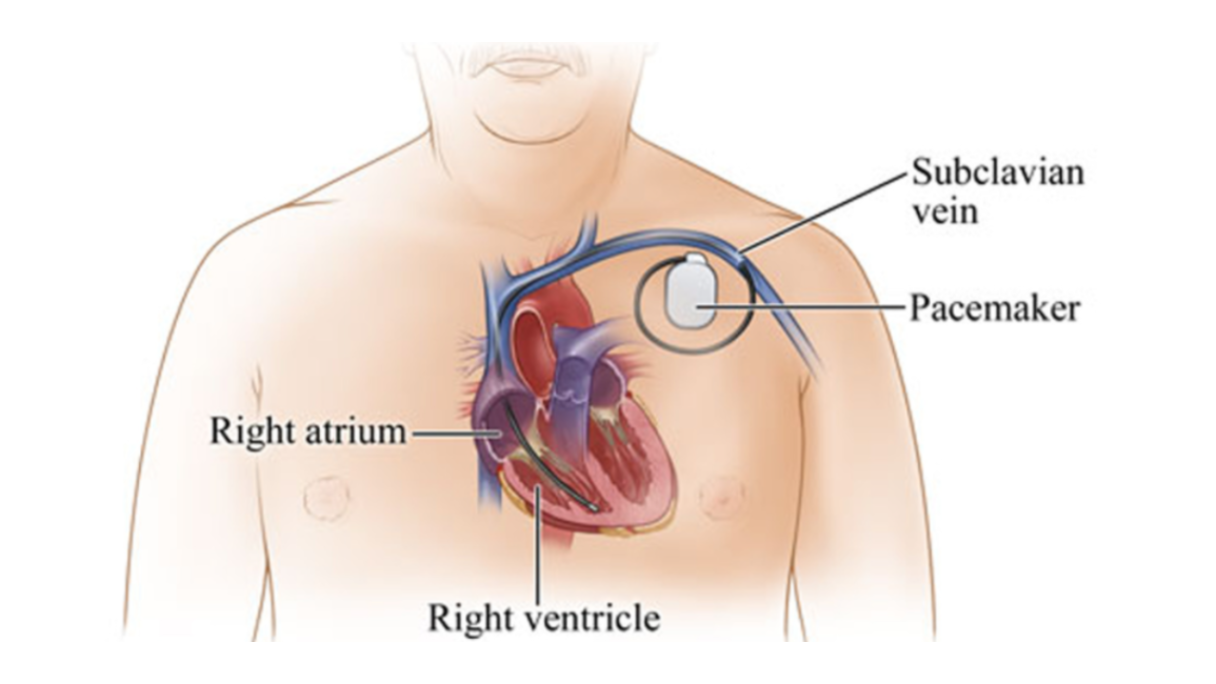
A Permanent Pacemaker may be recommended when a clinically important rhythm or conduction problem is expected to continue and meets appropriate indications.
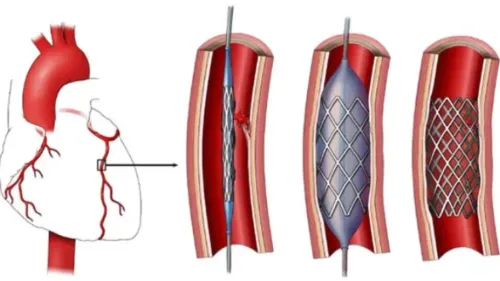
The device is implanted to provide ongoing pacing support.
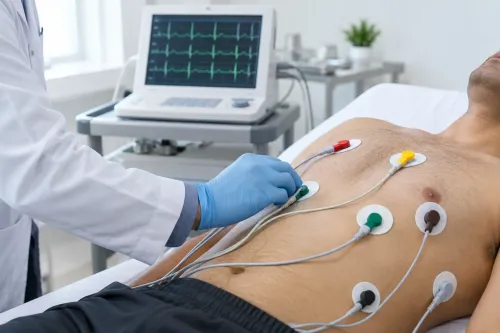
The decision is based on the rhythm diagnosis, symptoms, ECG or monitoring findings, reversible causes and other relevant clinical factors.
Not every slow heart rate requires permanent pacing.
Why Reversible Causes Matter
Before long-term pacing is considered, doctors may need to determine whether another factor is contributing to the abnormal rhythm.
Depending on the individual case, medication effects, metabolic abnormalities and acute medical conditions may be relevant.
This evaluation helps distinguish a temporary disturbance from a persistent conduction problem.
Questions Families Can Ask
When pacing is recommended, useful questions include:
- What rhythm abnormality has been identified?
- Why is pacing needed?
- Is the problem expected to be temporary?
- What type of device is being considered?
- What follow-up will be required?
- Are there activity precautions after implantation?
- How will the device be checked over time?
These discussions are especially valuable for elderly patients or people with multiple health conditions.
Life After Permanent Pacemaker Implantation
Pacemaker care continues after the implantation procedure.
Patients generally require scheduled device checks and should keep their cardiology team informed about relevant symptoms or planned medical procedures.
Instructions about wound care and activity immediately after implantation should be followed carefully.
At Muktai Heart Care Clinic, patients in Kalyan with suspected rhythm and conduction disorders can be evaluated to understand whether pacing may be clinically appropriate.
The important distinction is duration and purpose. Temporary pacing provides short-term support in selected situations, while permanent pacing is intended for ongoing management when a persistent rhythm problem meets accepted clinical indications.
Keywords