
Being advised to undergo Permanent Pacemaker implantation can raise practical questions about preparation, medicines, hospital care and life after the procedure.
A pacemaker is used for selected rhythm and conduction disorders, and implantation should follow a clear clinical assessment. For patients in Kalyan, Maharashtra, preparing the right information before the procedure can make discussions with the cardiology team more efficient.
Confirm Why the Pacemaker Is Needed
Patients should understand the diagnosis behind the recommendation.
Ask the cardiologist to explain the rhythm or conduction abnormality and how it relates to symptoms or investigation findings.
Depending on the case, relevant evidence may come from an ECG, Holter recording, hospital monitoring or other cardiac assessment.
Knowing the reason for implantation is more useful than focusing only on the device itself.
Prepare Your Medical Records
Before implantation, keep important medical information accessible.
A practical checklist includes:
- Recent cardiac reports
- Previous ECG and Holter findings
- 2D Echo report if performed
- Current prescription list
- Details of drug allergies
- Previous surgery information
- Existing implanted-device information
- Relevant medical conditions
Do not assume the procedural team already has every report if treatment has occurred at different healthcare facilities.
Discuss Medicines Clearly
This is particularly important for patients taking blood thinners, antiplatelet medicines, diabetes medication or other cardiovascular drugs.
Do not stop prescribed medicines independently.
The procedural team should provide specific instructions about which medicines to continue, modify or temporarily withhold where appropriate.
Ask About the Device
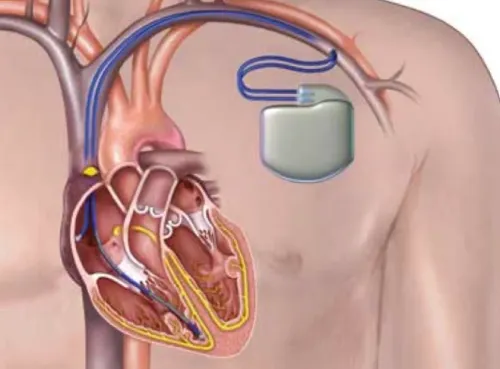
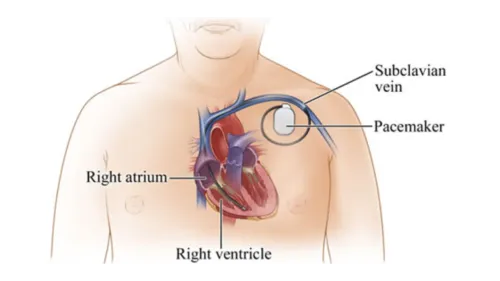
Pacemaker selection depends on the patient's pacing requirements.
Rather than trying to choose a device based on brand names or online comparisons, ask what type of pacing system is being recommended and why it fits the diagnosed rhythm problem.
Patients can also ask how future device checks will be performed.
Understand the Immediate Recovery Period
After implantation, instructions may cover incision care, arm movement, physical activity and warning signs.
Patients should know whom to contact if they notice concerning symptoms or problems around the implantation site.
Follow-up appointments are important because the device and wound need appropriate review.
Plan for Long-Term Device Follow-Up
A Permanent Pacemaker is not a one-time procedure followed by no further cardiac care.
Device checks allow clinicians to evaluate battery status, pacing behaviour and other parameters. The frequency of follow-up depends on clinical and device-related considerations.
Patients should keep relevant pacemaker identification information available and inform healthcare professionals about the implanted device before certain procedures.
When Specialist Review Becomes Important
People experiencing unexplained fainting, persistent dizziness or symptoms associated with documented slow heart rhythms may need cardiology assessment to determine the cause.
At Muktai Heart Care Clinic, patients in Kalyan can undergo cardiac evaluation when rhythm abnormalities raise questions about pacing therapy.
Readiness for pacemaker implantation means more than arriving for a procedure. It involves understanding the indication, reviewing medications, organizing medical records and knowing what follow-up will be required afterward.
Keywords