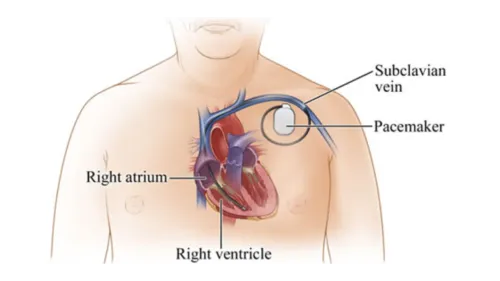
Cardiac implantable devices have become increasingly sophisticated, but their names can be confusing. An Automatic Implantable Cardioverter Defibrillator (AICD) and a Cardiac Resynchronization Therapy Defibrillator (CRTD) are not interchangeable terms.
Both can have a role in advanced cardiac care, yet they are selected for different patient needs.
For patients in Kalyan, Maharashtra, understanding the basic difference can make a specialist consultation easier to follow.
What Is an AICD?
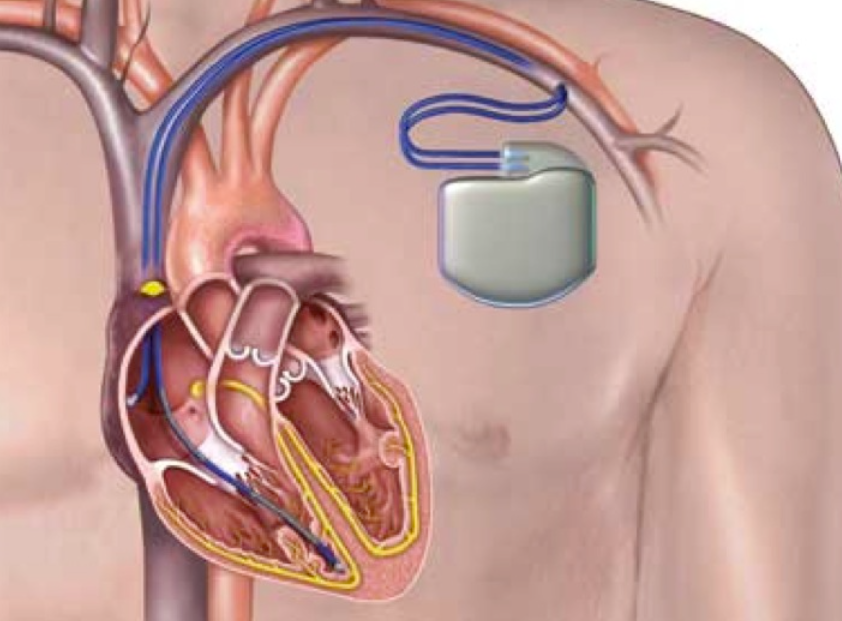
An AICD is an implanted device designed to detect and treat certain potentially dangerous abnormal heart rhythms originating from the lower chambers of the heart.
Depending on the rhythm detected and device programming, treatment may include pacing therapies or a shock intended to restore a safer rhythm.
AICDs are considered for selected patients who have experienced or are considered at significant risk of particular life-threatening ventricular arrhythmias.
Eligibility is based on clinical criteria rather than patient preference alone.
What Does a CRTD Add?
A CRTD combines defibrillator capability with cardiac resynchronization therapy.
Resynchronization aims to coordinate contraction in selected patients whose ventricles are not contracting in an appropriately synchronized manner.
This can be relevant for certain people with heart failure, reduced pumping function and specific electrical conduction patterns who meet established criteria.
Therefore, CRTD therapy addresses more than the risk of a dangerous rhythm. It also provides resynchronization in appropriately selected heart-failure patients.
Why Not Give Every Patient the More Advanced Device?
More functions do not automatically mean a device is more appropriate.
Cardiac devices are selected according to the problem that needs treatment.
A person who needs protection from specific dangerous ventricular arrhythmias may have different requirements from someone who also meets criteria for cardiac resynchronization.
The cardiologist may consider:
- Underlying heart disease
- Ejection fraction
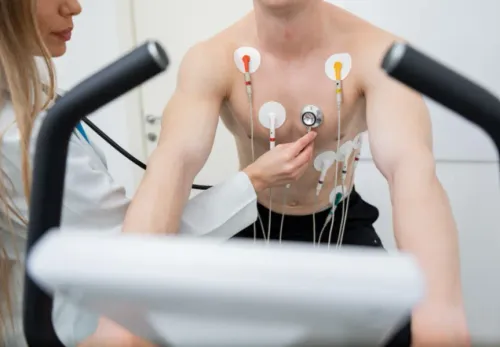
- ECG findings
- Rhythm history
- Heart-failure symptoms
- Previous cardiac events
- Response to medical therapy
- Overall health and individual procedural considerations
Device Therapy Does Not Replace Medication
Patients sometimes assume that implantation makes medicines unnecessary.
In many cases, this is incorrect.
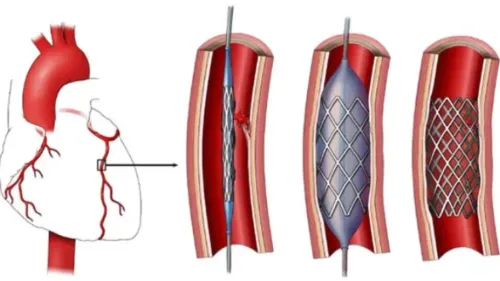
People with heart failure or coronary disease may still require evidence-based medications and management of blood pressure, cholesterol, diabetes or other cardiovascular risks after device implantation.
Medication changes should be made only under medical guidance.
Follow-Up Is Part of the Treatment
Implantable devices require ongoing monitoring.
Follow-up can assess battery status, lead function, recorded rhythm events, therapies delivered and other programmed parameters.
Patients should also understand which symptoms require medical review and what information to provide before other medical procedures.
Preparing for a Device Consultation
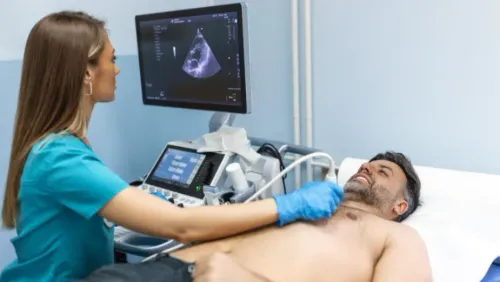
Bringing previous ECGs, echocardiography reports, discharge summaries, medication lists and information about previous rhythm events can make the consultation more productive.
At Muktai Heart Care Clinic, cardiac evaluation in Kalyan can help determine whether symptoms and investigation findings require advanced rhythm-management assessment.
The most useful question is not whether AICD or CRTD technology is better. It is which device, if any, addresses the patient's specific electrical and structural heart condition while offering an appropriate balance of expected benefit and procedural considerations.
Keywords