A pacemaker helps when documented slow or interrupted heart rhythms are causing fainting, dizziness, fatigue, reduced walking ability or dangerous pauses. By the end, you will know which older adults benefit, when another treatment is better, which device options exist, and what implantation and lifelong follow-up involve.
Key takeaways
- Age alone does not justify a pacemaker; match symptoms with documented slow rhythm.
- Choose single- or dual-chamber pacing based on the diagnosed rhythm and heart function.
- Expect local anaesthesia, monitoring, and activity limits during early recovery.
- Carry your device identification card and attend scheduled pacemaker checks.
Which older adults benefit most from permanent pacing?
Age alone is not an indication for implantation. A pacemaker for elderly patients is most useful when fainting, near-fainting, dizziness, fatigue or poor exercise tolerance matches bradycardia on an ECG, monitor or documented pause. Symptomatic sinus-node dysfunction often fits this pattern.
Complete heart block, Mobitz type II block and high-grade block usually support permanent pacing when no reversible cause remains, even with few symptoms. Understanding this distinction is central to evaluating permanent pacemaker benefits for elderly in Kalyan.
Before implantation, ask the clinician to check for reversible triggers:
- Rate-slowing medicines, including beta-blockers, some calcium-channel blockers, digoxin and antiarrhythmics
- Dehydration, low blood pressure, electrolyte abnormalities and thyroid disease
- Sleep apnoea, especially when bradycardia or pauses occur at night
- Acute infection or another temporary illness
| Finding | When pacing is usually considered | When it is not the first choice |
|---|---|---|
| Symptomatic sinus-node dysfunction or documented pauses | Symptoms match the slow rhythm | Symptoms come from medicine, dehydration or another cause |
| Complete, Mobitz II or high-grade block | Block persists after reversible causes are treated | A temporary illness explains the finding |
| Sinus bradycardia without symptoms | Only if another clear pacing indication exists | Do not implant for the ECG number alone |
| Atrial fibrillation with a normal ventricular rate | Consider only if clinically significant slow-rate episodes occur | Pacing does not treat atrial fibrillation itself |
| Low blood pressure or a rhythm pacing cannot correct | Treat the underlying problem | A pacemaker will not fix hypotension or non-bradycardia symptoms |
What practical benefits can an older adult expect?
When fainting, near-fainting, dizziness or exhaustion comes from a documented slow rhythm, pacing can make everyday life more predictable. It prevents the heart rate from falling too low and protects against pauses caused by sinus-node disease or conduction disorders such as high-grade or complete heart block.
Practical improvements can include:
- Fewer fainting and near-fainting episodes, reducing sudden collapses.
- Less dizziness and fatigue during standing or walking.
- Safer walking when slow-rate episodes previously caused unsteadiness.
- Better exercise tolerance, such as walking farther without stopping.
- Greater ability to bathe, dress, shop, prepare meals and complete household tasks independently.
These permanent pacemaker benefits depend on the slow rhythm causing the symptoms. A pacemaker will not remove fatigue, falls or breathlessness caused by anaemia, low blood pressure, lung disease, medication effects or other problems.
It also does not treat blocked coronary arteries, most heart failure, high blood pressure or atrial fibrillation itself; those conditions may need medicines, ablation or another procedure.
Pacing cannot prevent every heart attack, stroke, fall or dangerous fast rhythm. It is a rate-support treatment, not a guarantee of longer life or complete protection from every cardiac emergency.
Which pacemaker system fits the rhythm and the patient?
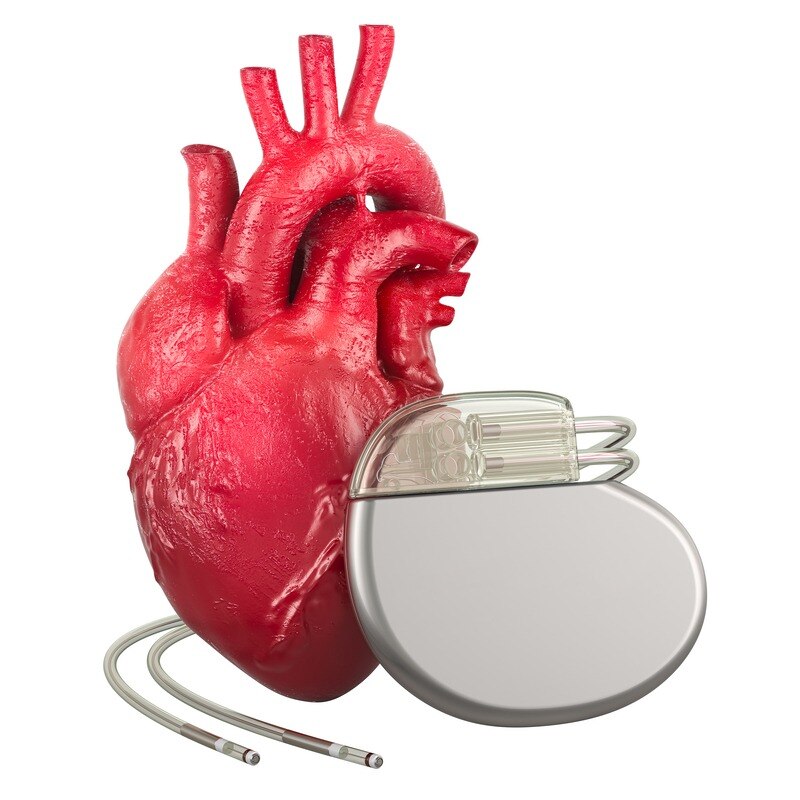
The right system depends on the rhythm, heart function, anatomy and likely need for future pacing—not age alone. A one-lead system reduces hardware and implantation time, while two leads can coordinate atrial and ventricular activity.
| Option | Main design | Best fit and trade-offs |
|---|---|---|
| Single-chamber transvenous | Generator under the chest skin with one lead, usually in the right ventricle | Useful for permanent atrial fibrillation with a slow ventricular rate. It cannot preserve normal atrial-to-ventricular timing and still carries lead, pocket and wound risks. |
| Dual-chamber transvenous | Generator with an atrial lead and ventricular lead | Suits sinus-node dysfunction or heart block when atrial activity is usable. Synchronised chamber activity can improve coordination, but two leads increase procedure time, lead failure, venous blockage and infection or wound complications. |
| Biventricular cardiac resynchronisation | Leads pace both ventricles, usually with an atrial lead | Consider reduced ejection fraction with a wide QRS, especially left bundle-branch block. It is specialised heart-failure therapy, not a standard pacemaker; selected patients gain better symptoms, fewer hospitalisations and possible survival benefit. |
| Leadless pacemaker | Small device delivered through a vein into the heart; no chest pocket or chest incision | Avoids pocket and transvenous-lead complications, but has vascular and heart-perforation risks. Battery replacement requires a new procedure, and leadless systems do not provide every dual-chamber or resynchronisation function. |
These permanent pacemaker advantages matter when slow rhythm caused the problem. A pacemaker for elderly patients is not automatically better: discuss expected benefit, wound healing, lead risks and battery service, especially when another rhythm or heart-failure treatment is needed.
What happens during implantation and recovery?
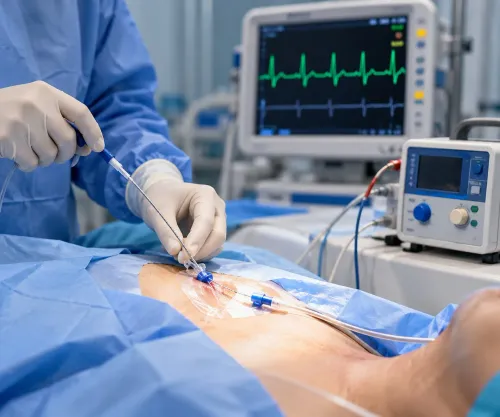
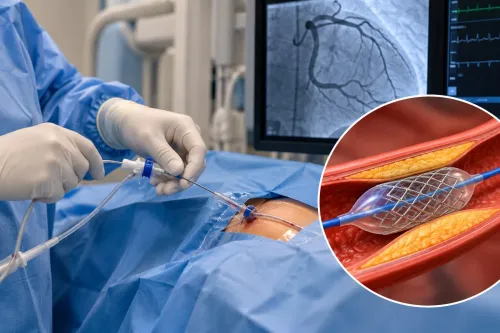
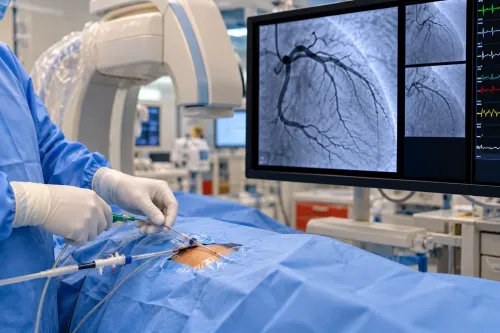
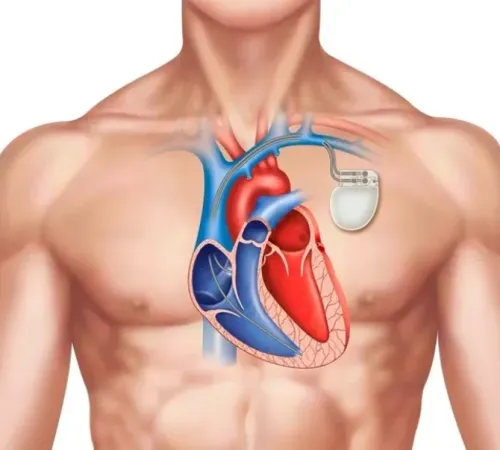
Implantation usually uses local anaesthetic with optional light sedation, not full general anaesthesia. The clinician makes a small incision below the collarbone, guides one or more leads through a vein into the heart when applicable, tests sensing and pacing, connects the generator, then closes the wound with sutures, glue or staples.
You remain under observation while the team reviews the chest image, rhythm, wound and discharge plan.
Inspect the wound as instructed and keep it dry until the team permits showering; do not soak it in a bath. Gentle walking is encouraged, but avoid heavy lifting and strenuous activity during early healing. Follow the implanting team’s specific limits on lifting and excessive movement of the implant-side arm.
Do not drive until the treating clinician and local rules permit it, especially after fainting or if the wound affects seat-belt comfort. These steps help you gain the permanent pacemaker benefits without disrupting healing.
Contact the hospital urgently for fever, spreading redness, drainage, worsening pain, breathlessness, fainting or a device alarm. Possible complications include:
- Infection around the wound or generator
- Bleeding or a chest haematoma
- Lead displacement or device malfunction
- Pneumothorax from a lung puncture
- Venous blockage or arm swelling
- Rare blood-vessel or heart injury
Frailty can slow recovery; diabetes raises infection risk, kidney disease affects procedure and medication decisions, and anticoagulants increase bleeding risk. Your clinician should adjust the plan to these conditions rather than treating age alone as a reason to avoid pacing.
How do you manage a pacemaker after leaving the hospital?
Implantation is not a one-time cure. An early wound review checks for redness, drainage, swelling or a haematoma; later interrogations assess battery status, lead sensing and capture, programming, and recorded arrhythmias. The device and treating team set the schedule. Remote monitoring, where available, can transmit alerts but does not replace scheduled reviews.
| Check | What it assesses | What you should do |
|---|---|---|
| Wound review | Infection, bleeding or poor healing | Attend promptly after discharge |
| Device interrogation | Leads, settings, battery and stored rhythms | Keep every scheduled check |
| Battery service limit | Need for generator replacement | Arrange replacement before end of service |
| MRI planning | Exact generator-lead system and programmed safety mode | Complete a pre-scan device check |
A generator must be replaced when its battery reaches the service limit, not after it stops. Carry the device identification card and show it before MRI, surgery, diathermy or other medical procedures; MRI-conditional systems are safe only under the manufacturer’s conditions and facility protocol.
Keep strong magnets away from the device and report alarms, fainting, wound infection or new swelling urgently.
When comparing pacemaker treatment in Kalyan, ask whether the service provides implantation, early wound review, long-term interrogation, remote monitoring where available and urgent assessment.
Muktai Heart Care Clinic - 08048034249 may be considered alongside other local cardiology services, based on the clinician’s assessment and follow-up arrangements; this continuity protects the permanent pacemaker benefits for elderly in Kalyan.
Related service
Permanent Pacemaker A Permanent Pacemaker is a small, life-saving medical device used to regulate abnormal heart rhythms, especially in patients with slow heart rate... View service → |
Frequently asked questions
Which older adults benefit most from a permanent pacemaker?
Older adults benefit most when fainting, near-fainting, dizziness, fatigue, or poor exercise tolerance matches bradycardia or documented pauses on cardiac testing. Age alone is not an indication.
What practical benefits can an older adult expect from a pacemaker?
When slow heart rhythm causes symptoms, pacing can support a steadier heart rate, reduce rhythm-related fainting risk, and improve daily activity tolerance.
Which pacemaker system fits the rhythm and the patient?
The choice depends on the rhythm problem, atrioventricular conduction, sinus-node function, heart function, expected pacing needs, and the patient’s health and preferences. Options include single-chamber, dual-chamber, and specialised systems.
What happens during pacemaker implantation and recovery?
Implantation usually involves local anaesthesia, a small chest incision, and leads guided through a vein into the heart. Recovery includes wound care, device checks, and temporary limits on strenuous arm movement and heavy lifting.
How do you manage a pacemaker after leaving the hospital?
Keep follow-up appointments, carry the device identification card, inspect the incision, report fainting or wound changes promptly, and ask clinicians how medical equipment or procedures could affect the device.
Keywords