When narrowing or blockage in a coronary artery becomes clinically significant, Coronary Angioplasty may be considered to improve blood flow to heart muscle. However, hearing the word angioplasty can make patients assume that every detected blockage automatically requires a procedure.
The actual decision is more individual.
For patients receiving cardiac care in Kalyan, Maharashtra, understanding the evaluation process can make discussions about coronary intervention clearer and more meaningful.
What Is Coronary Angioplasty?
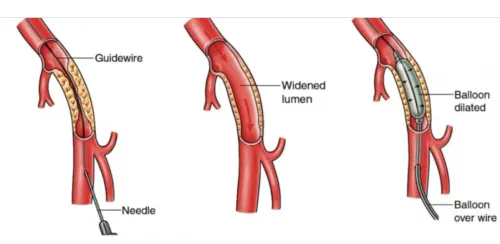
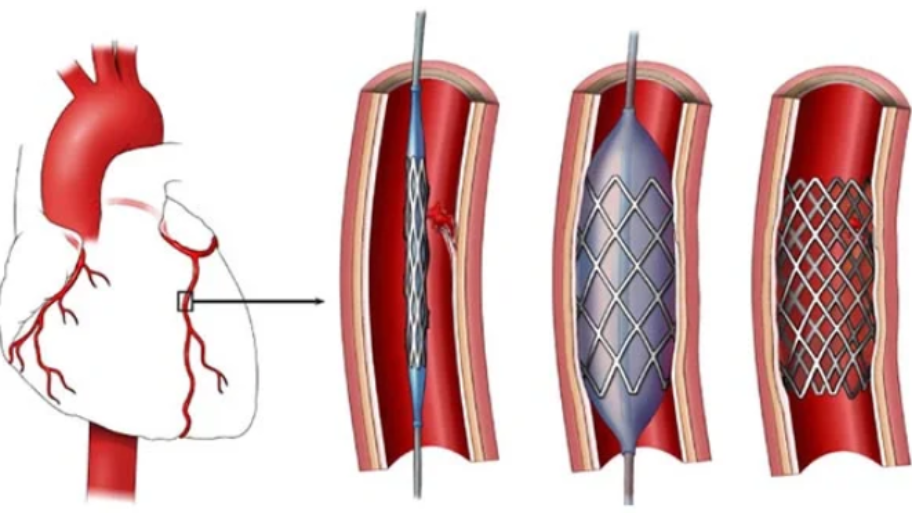
Coronary angioplasty, also called percutaneous coronary intervention in relevant contexts, is a catheter-based procedure used to treat selected narrowed or blocked coronary arteries.
A small balloon may be used to widen the affected area, and a stent is commonly placed where clinically indicated to help maintain blood flow.
The procedure is different from open-heart bypass surgery.
Does Every Coronary Blockage Need Angioplasty?
No.
Treatment depends on factors such as:
- Severity and location of narrowing
- Symptoms
- Clinical stability
- Extent of coronary disease
- Heart function
- Other medical conditions
- Findings from appropriate cardiac investigations
- Whether the situation is acute or planned
Some patients may be managed with medicines and risk-factor control. Others may be better suited to coronary intervention or surgery.
This is why treatment cannot be chosen responsibly from a percentage seen on a report alone.
Planned Angioplasty and Emergency Treatment
The circumstances surrounding coronary intervention can vary significantly.
A stable patient undergoing investigation for recurring symptoms has a different clinical pathway from someone presenting with an acute heart attack.
In an emergency, rapid hospital-based assessment and treatment may be necessary. Patients experiencing severe or persistent chest pain, marked sweating, breathlessness, collapse or other symptoms suggestive of an acute cardiac event should seek emergency medical attention.
Questions Worth Discussing
When angioplasty is being considered in a non-emergency setting, patients and family members can ask practical questions.
These may include:
- What finding makes intervention appropriate?
- Which artery is affected?
- What alternatives are clinically reasonable?
- Is a stent expected to be required?
- What medicines will be needed afterward?
- What follow-up is necessary?
- Which symptoms after the procedure require urgent attention?
Clear communication is especially important because treatment continues beyond the procedure itself.
Medicines After Stent Placement Matter
Patients prescribed antiplatelet or other cardiac medicines after angioplasty should take them exactly as advised.
Stopping medication independently can create serious risks in certain circumstances. Any concern about bleeding, side effects, dental procedures, surgery or another medicine should be discussed with the treating cardiologist before making changes.
Angioplasty Is Part of Longer-Term Heart Care
Successfully treating a narrowed artery does not remove the underlying tendency toward coronary artery disease.
Blood pressure, diabetes, cholesterol, smoking, physical activity, diet and prescribed medication may all remain relevant.
At Muktai Heart Care Clinic, patients in Kalyan can undergo cardiology evaluation to understand their cardiac findings and whether further intervention needs consideration.
The key question is not simply, Do I have a blockage? It is, What treatment is appropriate for my particular coronary disease, symptoms and overall health?
That patient-specific assessment is what makes angioplasty decisions safer and more clinically meaningful.
Keywords