Pain in the legs while walking is often attributed to age, arthritis or muscle weakness. In some patients, however, the underlying problem is reduced arterial blood flow.
Peripheral Angiography and Peripheral Angioplasty have different roles in evaluating and treating selected peripheral artery problems.
For patients in Kalyan and the wider Maharashtra region, recognising symptoms of impaired circulation can help prompt appropriate vascular and cardiovascular assessment.
What Is Peripheral Artery Disease?
Peripheral artery disease commonly develops when arteries supplying the limbs become narrowed because of atherosclerosis.
Risk is influenced by factors such as smoking, diabetes, high blood pressure, abnormal cholesterol and increasing age.
Symptoms can vary from mild to severe.
Some people notice leg discomfort or cramping while walking that improves after rest. Others may develop persistent pain, non-healing wounds or changes in the foot.
What Does Peripheral Angiography Do?
Peripheral Angiography is used to visualize arteries and identify areas of narrowing or blockage.
Contrast material and imaging are used to map the arterial circulation in the area being investigated.
This can help doctors determine:
- Where a blockage is located
- How extensive the disease is
- Whether there are multiple affected areas
- What treatment strategy may be suitable
Angiography is an investigation, although in appropriate situations treatment may be planned in association with the findings.
What Is Peripheral Angioplasty?
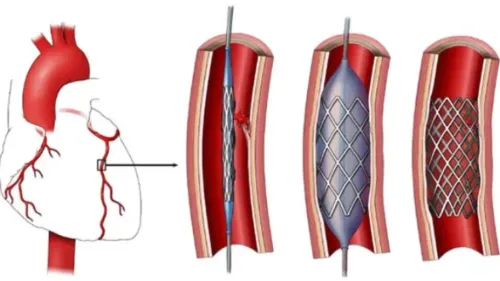
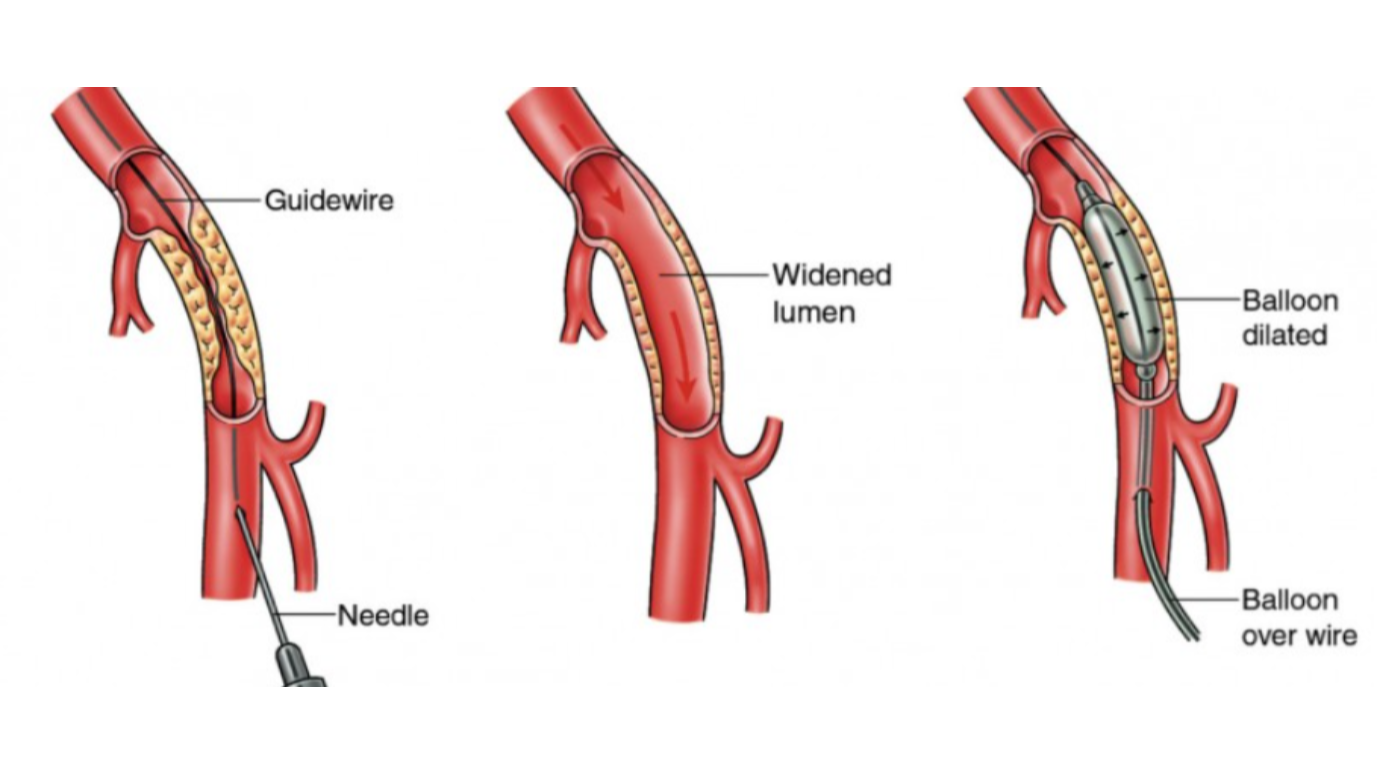
Peripheral Angioplasty is a catheter-based procedure used to widen selected narrowed or blocked peripheral arteries.
A balloon may be used, and additional devices or stenting may be considered depending on the lesion and clinical circumstances.
Not every arterial narrowing requires angioplasty. Treatment selection depends on symptoms, disease severity, anatomy and the threat posed to limb health.
Symptoms That Deserve Evaluation
Seek medical assessment for symptoms such as recurrent walking-related calf or thigh pain, persistent coldness of one foot, poorly healing wounds or significant changes in limb circulation.
Sudden severe limb pain accompanied by marked coldness, weakness, numbness or colour change can represent an emergency and requires urgent hospital assessment.
Diabetes Makes Foot Awareness Particularly Important
People with diabetes may have both vascular disease and reduced sensation.
This means a wound can become clinically important before substantial pain develops.
Regular foot inspection, appropriate diabetes management and timely assessment of wounds can therefore be particularly important.
Treatment Goes Beyond Opening an Artery
Peripheral artery disease reflects systemic vascular disease. Managing the wider cardiovascular risk remains important even when an intervention successfully improves blood flow in a particular artery.
Smoking cessation, blood pressure control, diabetes management, cholesterol treatment, medication adherence and appropriate physical activity may all form part of ongoing care.
At Muktai Heart Care Clinic, patients in Kalyan with cardiovascular risk factors and symptoms suggestive of circulation problems can undergo clinical assessment and be guided regarding appropriate investigation.
Peripheral Angiography answers an anatomical question—where is the arterial disease? Peripheral Angioplasty addresses a treatment question—can selected disease be treated through a catheter-based intervention? Keeping these two purposes separate helps patients understand the pathway from diagnosis to treatment.
Keywords