Some heart-related symptoms do not appear while a person is resting. They become noticeable while climbing stairs, walking quickly or performing other physical activities. A Stress Test is designed to evaluate selected cardiovascular responses while the heart is working harder than it does at rest.
For patients in Kalyan, Maharashtra, the test may be considered when a cardiologist wants to understand exercise-related symptoms or assess cardiac response to controlled physical exertion.
How Does a Stress Test Work?
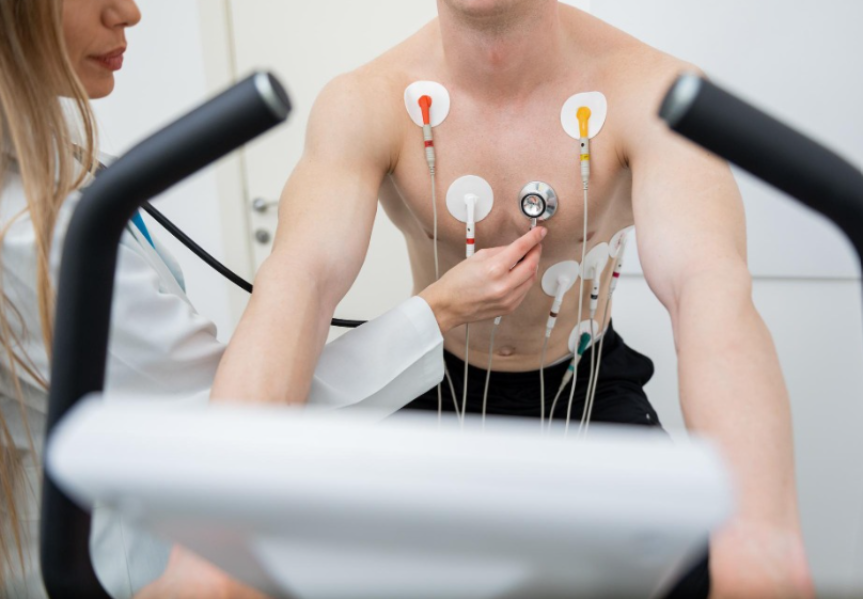
A commonly performed exercise stress test involves walking on a treadmill while heart-related parameters are monitored.
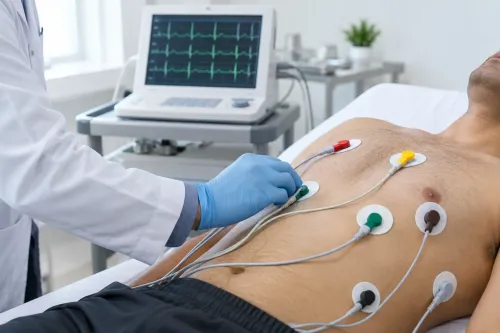
Exercise intensity is gradually adjusted according to the testing protocol and the patient's condition. ECG recordings are taken during the process, and other parameters such as heart rate, blood pressure and symptoms are monitored.
The test is supervised because the patient's response to exercise matters just as much as completing a particular stage.
Why Test the Heart During Exercise?
At rest, the heart requires less oxygen and performs less work. Exercise increases cardiac demand.
This can sometimes reveal changes that are not apparent during a resting evaluation.
A cardiologist may consider stress testing when evaluating certain cases involving:
- Exercise-related chest discomfort
- Breathlessness during activity
- Suspected exercise-related cardiac changes
- Functional capacity
- Selected known cardiac conditions
- Exercise response after appropriate clinical assessment
Stress testing is not suitable for every patient or every type of chest pain.
ECG and Stress Test Serve Different Purposes
A resting ECG provides a snapshot of electrical activity while the patient is at rest.
A Stress Test examines what happens as cardiac workload increases.
This distinction explains why someone can have an apparently normal resting ECG but still be advised to undergo further evaluation.
Conversely, stress testing is not automatically necessary simply because a patient has cardiovascular risk factors. The decision should be based on symptoms, examination findings, medical history and clinical judgement.
What Should Patients Mention Before Testing?
Before the test, inform the healthcare team about relevant health conditions and current symptoms.
Also provide an accurate list of medications. Certain medicines can influence heart rate or exercise response, but patients should not stop prescribed cardiac medicines independently merely because a stress test is planned.
Follow the specific medication instructions given by the treating doctor.
Appropriate footwear and comfortable clothing may also make treadmill exercise easier.
When May a Stress Test Not Be Appropriate?
There are clinical situations in which exercise testing may need to be postponed, modified or replaced with another investigation.
Patients with active or unstable cardiac symptoms require appropriate medical evaluation first. Physical limitations can also affect whether treadmill-based testing is feasible.
The cardiologist determines suitability based on the individual patient rather than using one standard approach for everyone.
Understanding the Result
The result is not based on a single number.
Doctors may assess exercise duration, symptoms, ECG response, heart rate, blood pressure response and the reason the test was stopped.
At Muktai Heart Care Clinic, these findings can be integrated with other cardiac information when evaluating patients in Kalyan.
A Stress Test is therefore best understood as a controlled assessment of how the cardiovascular system behaves under increased workload. Its usefulness depends on selecting the right patient, following appropriate monitoring and interpreting the result within the broader clinical picture.
Keywords