Muktai Heart Care Clinic provides comprehensive assessment for patients experiencing persistent heart rhythm disorders and offers permanent pacemaker implantation when clinically appropriate. Many people associate pacemakers only with ageing, but several heart conditions across different age groups can affect the heart's electrical system and require long-term pacing support.
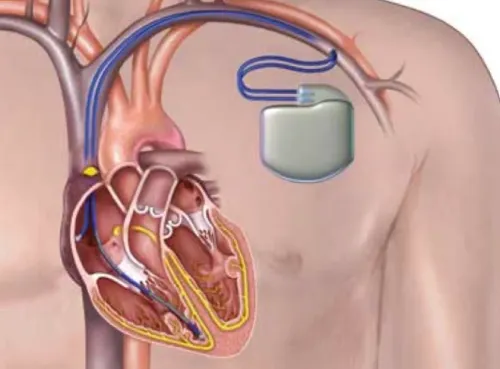
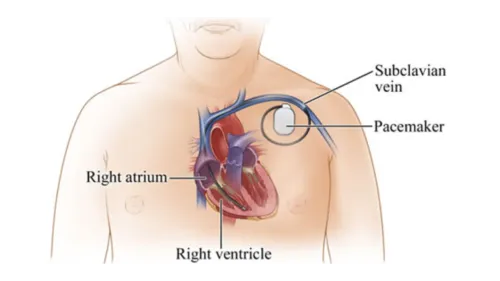
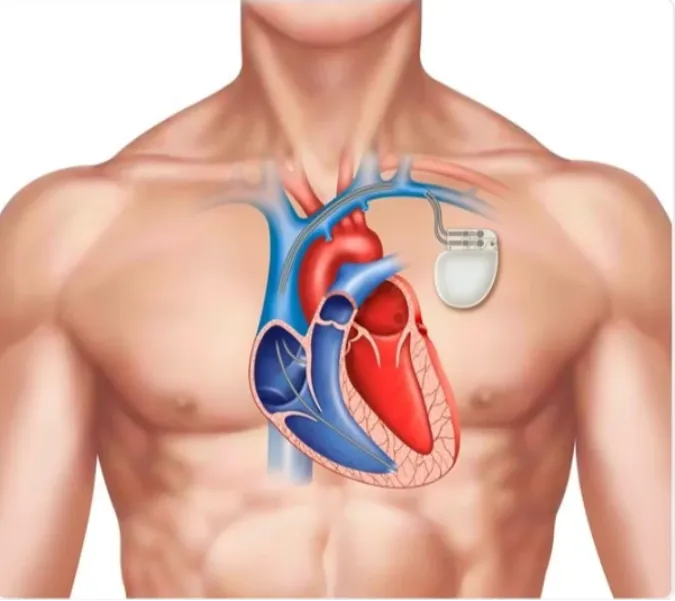
A permanent pacemaker is a small electronic device designed to help maintain a steady and reliable heartbeat when the heart's natural electrical signals become too slow or irregular.
What Does a Permanent Pacemaker Do?
The device monitors the heart's rhythm continuously.
When it detects a heartbeat that is too slow or pauses for longer than expected, it sends a gentle electrical impulse that helps the heart beat at an appropriate rate.
Modern pacemakers automatically adjust to the patient's activity level, supporting normal daily life.
Symptoms That May Indicate the Need for Evaluation
Although symptoms vary, patients commonly report:
- Frequent dizziness
- Repeated fainting episodes
- Persistent fatigue
- Breathlessness without another clear cause
- Slow pulse
- Difficulty performing routine activities
These symptoms may have several causes, making proper cardiac evaluation essential before treatment decisions are made.
Who May Benefit From a Permanent Pacemaker?
Pacemaker implantation may be considered for patients diagnosed with conditions such as:
- Complete heart block
- Sick sinus syndrome
- Persistent symptomatic slow heart rhythm
- Certain conduction disorders
- Rhythm abnormalities that do not respond adequately to other treatments
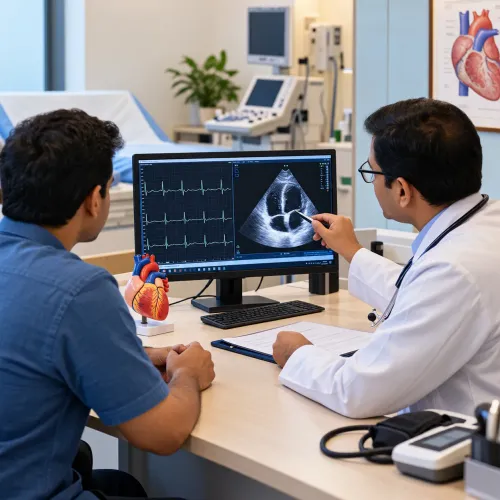
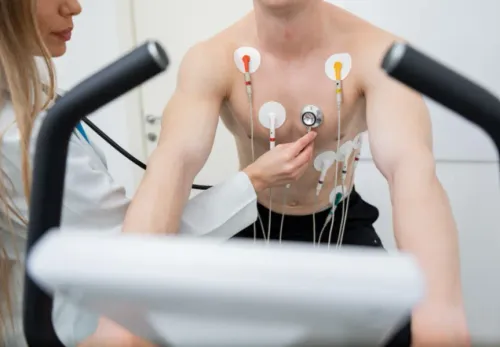
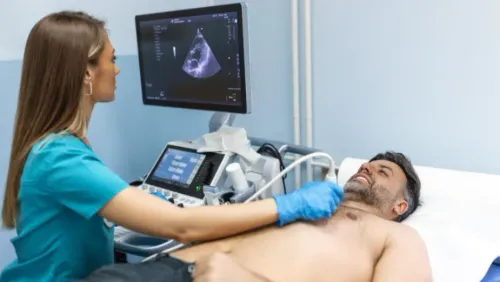
Your cardiologist will determine suitability after reviewing symptoms, ECG findings, Holter Study results, and other investigations.
Living With a Pacemaker
Most patients gradually return to their normal routines following recovery.
Long-term care generally includes:
- Regular follow-up appointments
- Periodic device checks
- Taking prescribed medications
- Maintaining heart-healthy habits
- Reporting any new symptoms promptly
Modern pacemakers are designed to function reliably for many years before battery replacement becomes necessary.
Early Diagnosis Supports Better Outcomes
Ignoring persistent symptoms may delay diagnosis of significant rhythm disorders. Early evaluation helps determine whether medication, observation, or permanent pacing is the most suitable treatment.
Individuals living in Kalyan who experience repeated episodes of dizziness, fainting, or unexplained fatigue should discuss these symptoms with a cardiologist. A thorough assessment can identify the underlying cause and help guide appropriate long-term heart rhythm management.
Keywords