Muktai Heart Care Clinic offers peripheral angiography as part of a comprehensive evaluation for patients with suspected peripheral artery disease. When reduced blood flow affects the legs, arms, or other parts of the body, identifying the exact location and severity of arterial narrowing is essential before planning treatment.
Peripheral angiography provides detailed images of blood vessels outside the heart, allowing cardiologists and vascular specialists to determine the most appropriate management strategy.
What Is Peripheral Angiography?
Peripheral angiography is an imaging procedure that uses contrast dye and X-ray technology to visualise arteries throughout the body.
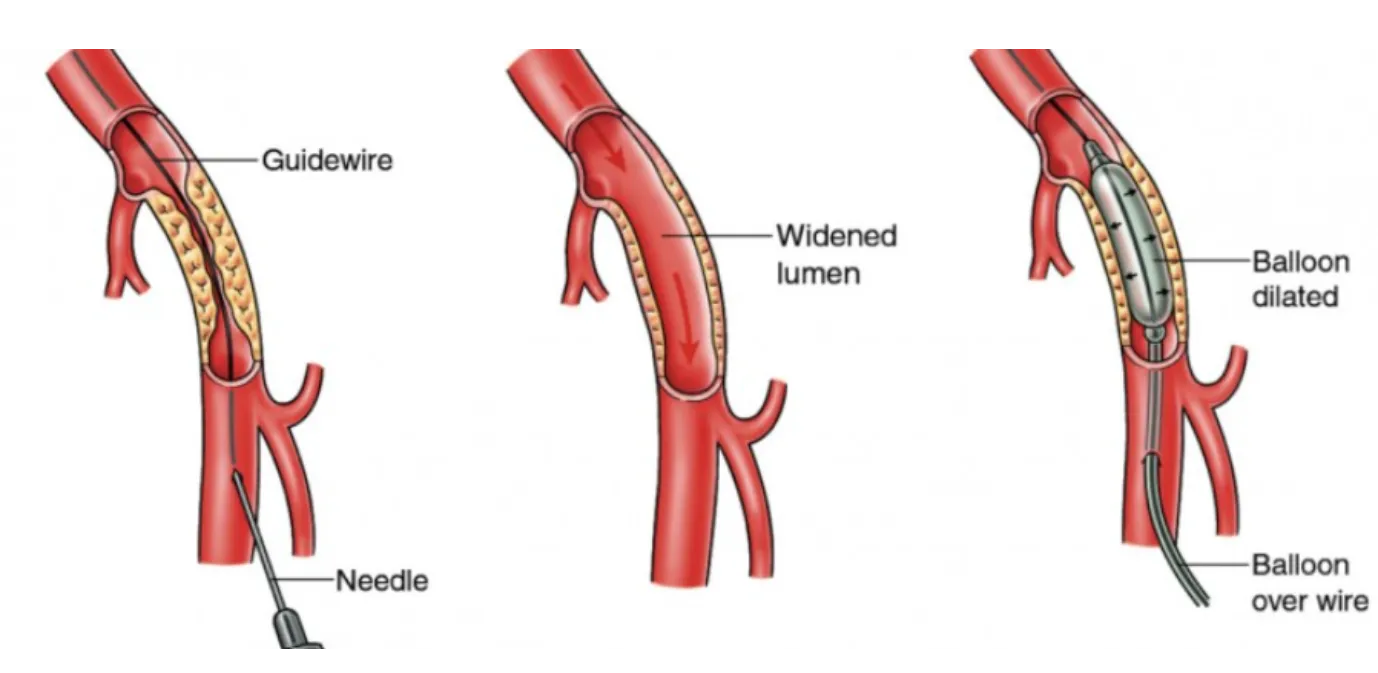
A thin catheter is inserted through a blood vessel, usually in the wrist or groin, and guided to the area being examined. The contrast dye highlights blood flow, making narrowed or blocked arteries visible on imaging.
The procedure is commonly performed when non-invasive tests suggest significant circulation problems.
When Is Peripheral Angiography Recommended?
Your cardiologist may advise this investigation if you experience:
- Persistent leg pain while walking
- Poor circulation in the lower limbs
- Slow-healing wounds
- Cold feet or toes
- Suspected peripheral artery disease
- Abnormal findings on Doppler ultrasound or other vascular tests
The procedure helps confirm the diagnosis and supports treatment planning.
What Can the Test Reveal?
Peripheral angiography helps identify:
- Narrowed arteries
- Complete arterial blockages
- Multiple areas of vascular disease
- Blood flow abnormalities
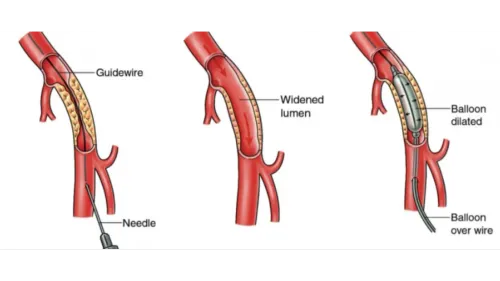
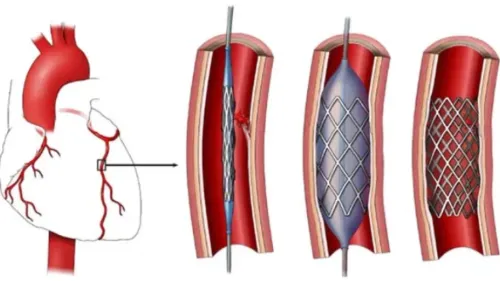
- Suitable locations for angioplasty or other interventions
Accurate imaging reduces uncertainty when selecting the most appropriate treatment approach.
Is the Procedure Safe?
Peripheral angiography is generally considered a safe procedure when performed by experienced specialists. Before the investigation, the medical team reviews:
- Kidney function
- Current medications
- Allergy history
- Existing medical conditions
Following the procedure, patients receive instructions regarding hydration, activity levels, and observation of the catheter insertion site.
Why Timely Diagnosis Matters
Delaying evaluation of circulation problems can allow vascular disease to progress, increasing the risk of pain, ulcers, or tissue damage.
Early diagnosis allows treatment to begin before symptoms become more severe and may help preserve mobility and overall vascular health.
Vascular Evaluation in Kalyan
Peripheral artery disease is becoming increasingly common among people with diabetes, hypertension, high cholesterol, and long-term smoking history. Individuals in Kalyan experiencing ongoing circulation-related symptoms should seek timely medical assessment rather than attributing them solely to ageing.
A detailed vascular evaluation helps determine whether peripheral angiography is needed and guides the next steps in personalised treatment planning.
Keywords