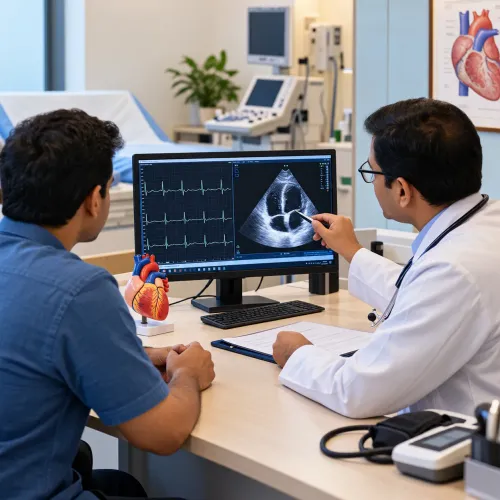
Muktai Heart Care Clinic offers Holter Study as part of comprehensive cardiac diagnostics for patients whose symptoms occur intermittently. While a standard ECG records the heart's electrical activity for only a few seconds, a Holter monitor tracks heart rhythms continuously over 24 to 48 hours or longer, making it easier to detect abnormalities that may otherwise go unnoticed.
Many heart rhythm problems happen unpredictably and may not appear during a routine clinic visit. A Holter Study provides a more detailed understanding of how the heart behaves during normal daily activities.
What Is a Holter Study?
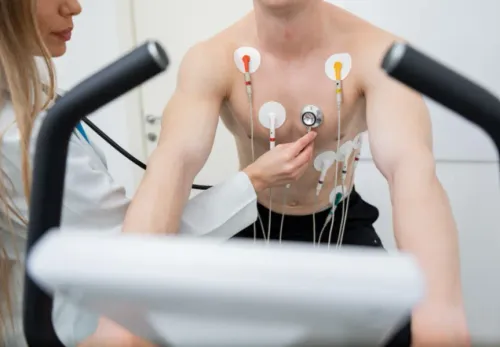
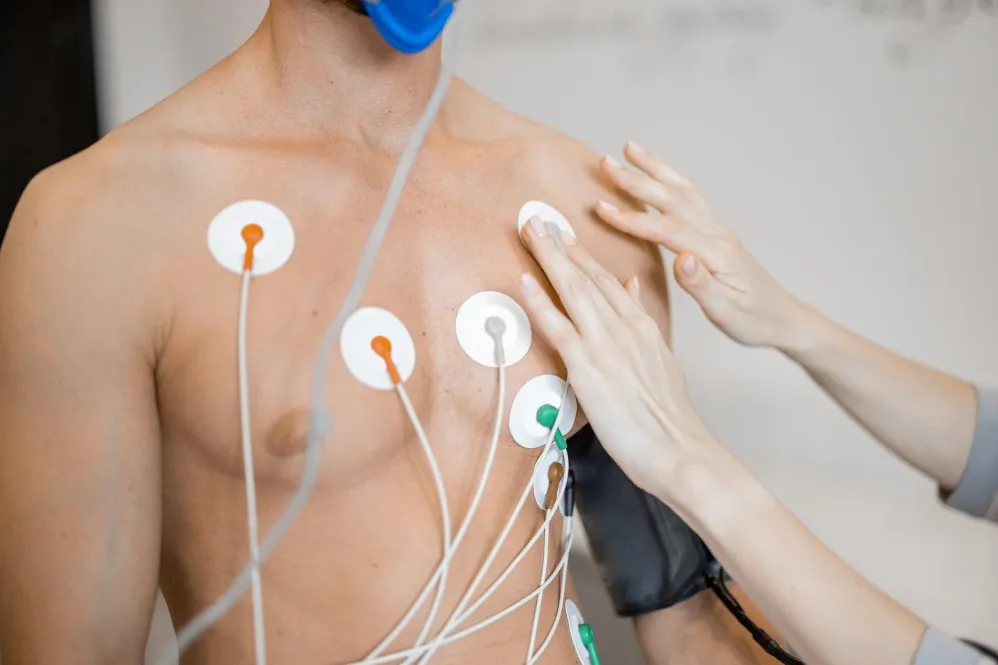
A Holter monitor is a small, portable device connected to the chest using adhesive electrodes. It records every heartbeat while you continue your usual daily routine.
Unlike an ECG performed in a hospital or clinic, this test captures heart activity during:
- Walking
- Sleeping
- Working
- Climbing stairs
- Daily household activities
Patients are also asked to keep a diary of symptoms to help correlate them with the recorded heart rhythm.
When Is a Holter Study Recommended?
A cardiologist may advise this investigation if you experience:
- Frequent palpitations
- Unexplained dizziness
- Episodes of fainting
- Irregular heartbeat
- Sudden weakness
- Symptoms that occur only occasionally
It may also be used to monitor patients receiving treatment for rhythm disorders or after certain cardiac procedures.
What Can a Holter Monitor Detect?
Continuous monitoring helps identify:
- Intermittent arrhythmias
- Slow heart rhythms
- Fast heart rhythms
- Missed heartbeats
- Silent rhythm abnormalities
- Changes associated with certain symptoms
Because monitoring continues for an extended period, the likelihood of detecting occasional rhythm disturbances increases significantly.
Tips During the Monitoring Period
To obtain accurate results:
- Continue normal daily activities unless instructed otherwise.
- Record any symptoms with the time they occur.
- Avoid getting the monitor wet unless specifically advised.
- Do not remove the electrodes during the recording period.
- Follow the instructions provided by the healthcare team.
These simple precautions improve the quality of the recorded data.
Why Continuous Monitoring Matters
A normal ECG does not always rule out heart rhythm disorders. Some abnormalities occur only occasionally and require prolonged observation.
By identifying rhythm disturbances accurately, cardiologists can recommend appropriate treatment, additional investigations, or long-term monitoring when needed.
Heart Rhythm Evaluation in Kalyan
With greater awareness of preventive cardiology in Kalyan, more patients are seeking evaluation for symptoms such as palpitations, dizziness, and unexplained fainting. Early assessment allows rhythm disorders to be diagnosed before they lead to more serious complications.
A Holter Study provides valuable information that complements other cardiac investigations and helps cardiologists develop an individualized care plan based on the patient's symptoms and heart rhythm patterns.
Keywords