When symptoms such as chest discomfort, palpitations, dizziness, or unexplained fatigue appear, doctors often recommend an electrocardiogram (ECG) as one of the first diagnostic tests. At Muktai Heart Care Clinic, ECG plays an important role in the early assessment of heart rhythm and electrical activity, helping cardiologists decide whether additional investigations are needed.
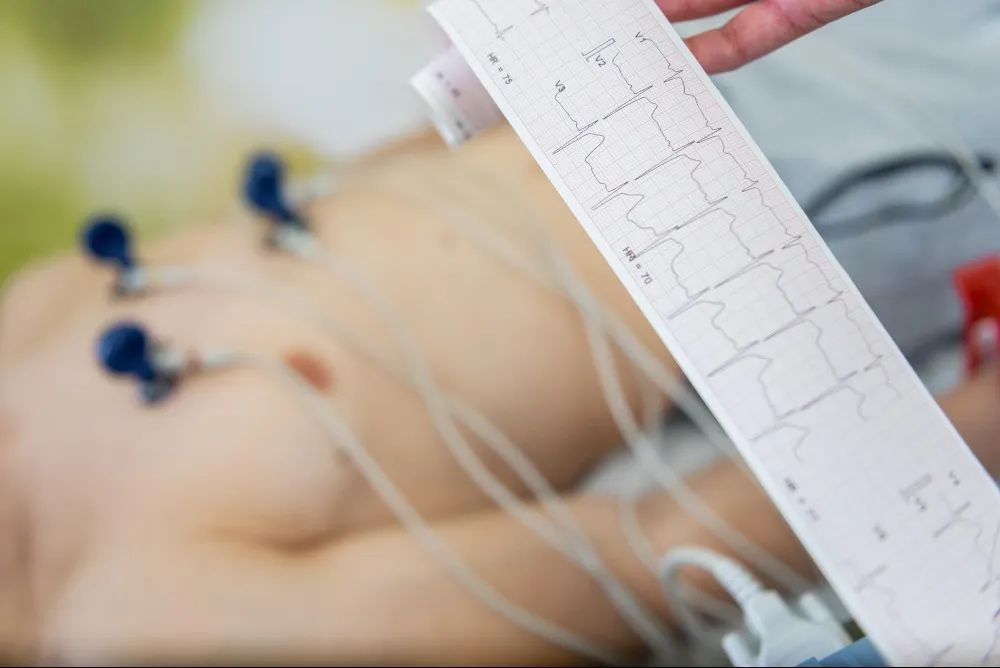
An ECG is a quick, non-invasive, and painless test that records the electrical signals generated by the heart. Although simple, it provides valuable information that can support the diagnosis of several heart conditions.
How Does an ECG Work?
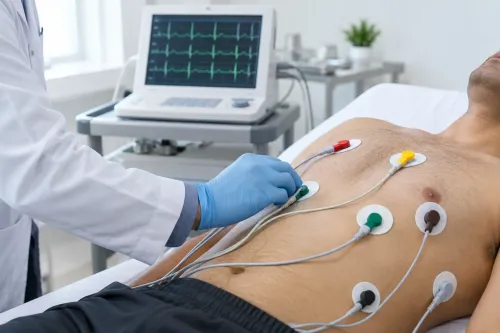
Small adhesive electrodes are placed on the chest, arms, and legs. These sensors detect the heart's electrical impulses and transmit them to a machine that produces a graphical recording.
The entire procedure usually takes only a few minutes and does not involve injections or radiation.
What Can an ECG Detect?
An ECG may help identify:
- Irregular heart rhythms
- Fast or slow heartbeat
- Evidence of previous heart attacks
- Ongoing heart muscle injury
- Conduction abnormalities
- Certain electrolyte-related changes
- Effects of some heart medications
Although highly useful, an ECG is often interpreted alongside symptoms, medical history, and other cardiac investigations.
When Should You Consider an ECG?
Your doctor may recommend an ECG if you experience:
- Chest pain
- Shortness of breath
- Frequent palpitations
- Sudden dizziness
- Episodes of fainting
- Persistent unexplained fatigue
- High blood pressure with cardiac symptoms
Routine ECG screening may also be advised before certain surgical procedures or as part of a cardiovascular evaluation in individuals with multiple risk factors.
Benefits of Early ECG Testing
Timely ECG evaluation offers several advantages:
- Rapid assessment of heart rhythm
- Early detection of possible cardiac abnormalities
- Guidance for further diagnostic testing
- Better monitoring of existing heart conditions
- Support for prompt medical decision-making
Because many heart conditions may initially present with subtle symptoms, early testing can help avoid delays in diagnosis.
Cardiac Evaluation in Kalyan
People living in Kalyan increasingly recognize the importance of preventive heart care, especially when managing diabetes, hypertension, obesity, or a family history of cardiovascular disease. Seeking medical evaluation soon after symptoms appear allows potential heart problems to be investigated before complications develop.
An ECG is often the starting point of a comprehensive cardiac assessment, providing essential information that helps cardiologists recommend the next appropriate steps for maintaining long-term heart health.
Keywords