Reduced blood flow to the legs or arms can make everyday activities increasingly difficult. Walking short distances, climbing stairs, or even resting comfortably may become challenging when arteries become narrowed due to peripheral artery disease. Muktai Heart Care Clinic provides evaluation and treatment options, including peripheral angioplasty, for patients who require restoration of healthy circulation.
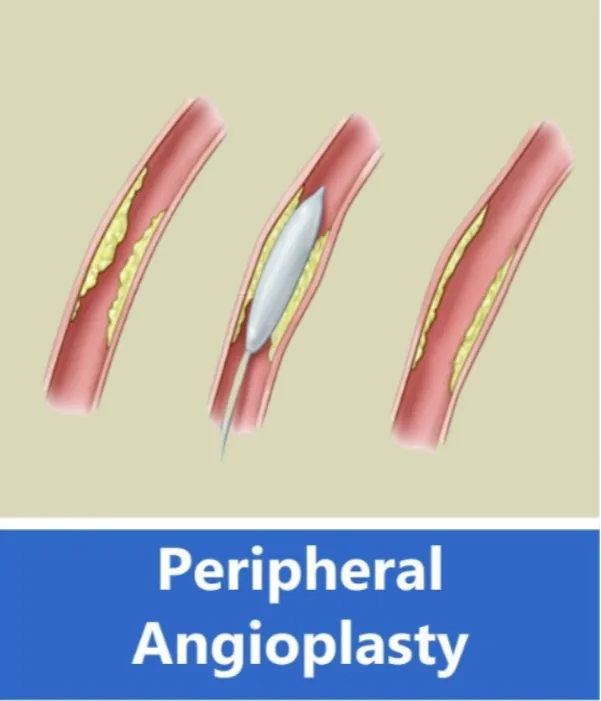
Peripheral angioplasty is a minimally invasive procedure designed to improve blood flow in arteries outside the heart, most commonly in the legs. By widening narrowed or blocked arteries, the procedure helps improve circulation and relieve symptoms caused by restricted blood supply.
What Is Peripheral Angioplasty?
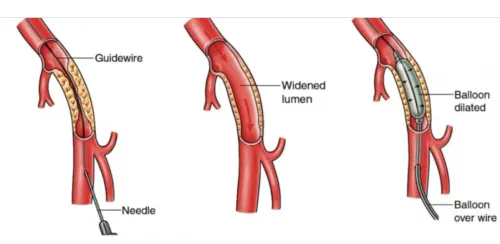
Peripheral angioplasty involves inserting a thin catheter with a small balloon into the affected artery. Once positioned at the narrowed segment, the balloon is inflated to widen the artery. In some cases, a stent may also be placed to help keep the artery open.
The procedure is commonly performed without the need for major surgery.
Signs That Poor Blood Circulation Should Be Evaluated
Peripheral artery disease may develop gradually. Common symptoms include:
- Leg pain while walking
- Cramping that improves with rest
- Cold feet or toes
- Slow-healing wounds
- Numbness or weakness in the legs
- Skin colour changes
- Reduced walking distance
These symptoms should not be dismissed as simply part of ageing, especially when they progressively worsen.
Who May Benefit From Peripheral Angioplasty?
The procedure may be considered for individuals who:
- Have significant narrowing of peripheral arteries
- Experience lifestyle-limiting leg pain
- Have poor circulation affecting wound healing
- Show inadequate improvement with medication and lifestyle changes
- Are at risk of complications from untreated peripheral artery disease
A thorough vascular evaluation helps determine whether angioplasty is the most suitable option.
Advantages of a Minimally Invasive Procedure
Compared with traditional open surgery, peripheral angioplasty may offer:
- Smaller puncture site
- Faster recovery
- Shorter hospital stay
- Less discomfort after treatment
- Earlier return to routine activities
- Effective restoration of blood flow in selected patients
Treatment recommendations always depend on the patient's overall health and the severity of arterial disease.
Protecting Your Vascular Health
Several lifestyle measures can reduce the progression of peripheral artery disease:
- Stop smoking
- Control diabetes and blood pressure
- Maintain healthy cholesterol levels
- Exercise regularly under medical guidance
- Follow a heart-friendly diet
- Attend regular follow-up appointments
These habits support both heart health and healthy circulation throughout the body.
Peripheral Artery Care in Kalyan
As cardiovascular conditions become more common across Kalyan and surrounding areas, early recognition of circulation problems is increasingly important. Individuals who notice persistent leg pain or reduced walking capacity should seek timely evaluation rather than waiting for symptoms to become severe.
Early diagnosis allows doctors to recommend the most appropriate management plan, which may include medication, lifestyle modification, or peripheral angioplasty depending on the underlying condition.
Keywords