Muktai Heart Care Clinic provides comprehensive evaluation for coronary artery disease and offers guidance on advanced treatment options, including coronary angioplasty, when clinically appropriate. While medication and lifestyle modifications play an important role in managing heart disease, some patients may require a procedure to restore adequate blood flow to the heart.
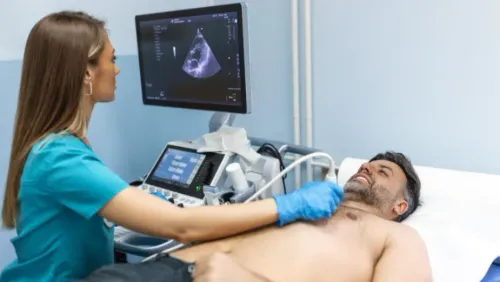
Coronary angioplasty is a minimally invasive treatment used to open narrowed or blocked coronary arteries. It is generally recommended only after careful assessment by a cardiologist, often following investigations such as ECG, Stress Test, 2D Echo, or Coronary Angiography.
What Is Coronary Angioplasty?
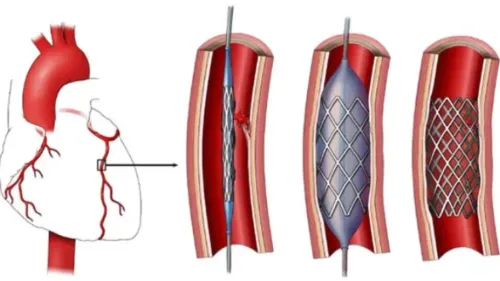
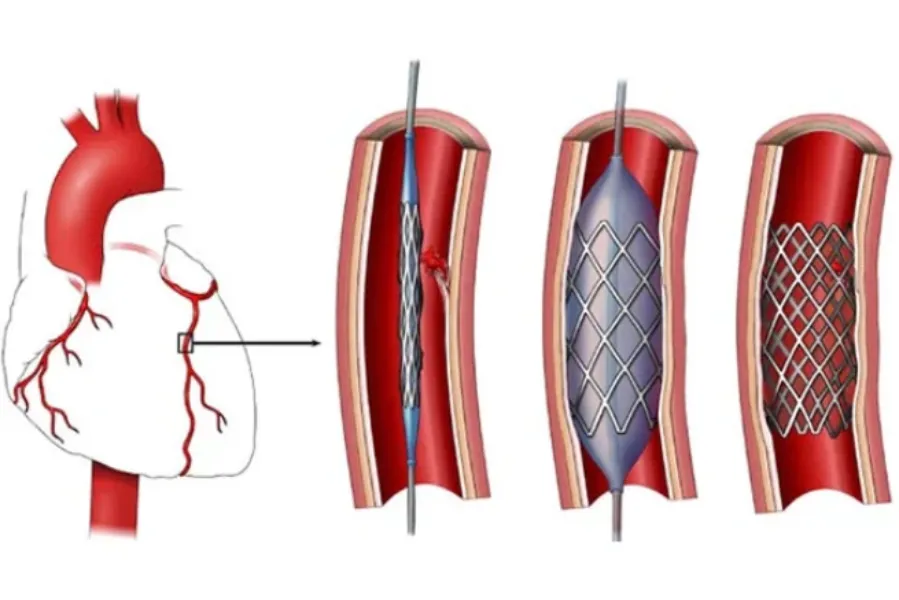
During coronary angioplasty, a thin catheter with a small balloon at its tip is guided to the blocked section of the coronary artery. The balloon is inflated to widen the artery, improving blood flow to the heart muscle. In many cases, a stent is placed to help keep the artery open.
The goal of the procedure is to improve circulation and reduce symptoms caused by restricted blood flow.
When Might Coronary Angioplasty Be Recommended?
A cardiologist may consider coronary angioplasty if investigations reveal significant blockage along with symptoms such as:
- Persistent chest pain
- Chest discomfort during physical activity
- Shortness of breath related to reduced heart function
- Reduced blood flow shown during diagnostic tests
- Certain types of heart attack requiring urgent restoration of blood flow
The decision depends on several factors, including the location and severity of the blockage, overall health, and individual medical history.
What Are the Benefits?
For suitable patients, coronary angioplasty may offer several advantages:
- Improved blood flow to the heart
- Relief from symptoms caused by blocked arteries
- Reduced limitation during daily activities
- Shorter recovery compared to open-heart surgery in many cases
- Earlier return to routine life
Your cardiologist will explain whether the procedure is the most appropriate option based on your condition.
Life After Coronary Angioplasty
The procedure is only one part of long-term heart care. Maintaining heart health requires continued commitment to healthy habits.
Patients are generally advised to:
- Take prescribed medications regularly
- Follow a heart-friendly diet
- Exercise according to medical advice
- Stop smoking
- Control diabetes, cholesterol, and blood pressure
- Attend scheduled follow-up visits
These measures help support long-term cardiovascular health.
Choosing Timely Cardiac Care in Kalyan
Heart disease has become increasingly common in Kalyan due to changing lifestyles and the growing prevalence of diabetes and hypertension. Early evaluation of warning signs allows treatment decisions to be made before complications occur.
If diagnostic investigations suggest narrowed coronary arteries, discussing available treatment options with an experienced cardiologist can help determine whether coronary angioplasty is the right approach for your specific condition.
Keywords