Heart-related symptoms such as persistent chest pain, unexplained shortness of breath, or discomfort during physical activity should never be ignored. Identifying the exact cause is the first step toward effective treatment. At Muktai Heart Care Clinic, coronary angiography is one of the advanced diagnostic procedures used to evaluate the condition of the coronary arteries and help determine the most appropriate treatment plan.
Coronary angiography is a specialized imaging procedure that allows a cardiologist to examine the blood vessels supplying blood to the heart. It helps identify narrowing, blockages, or other abnormalities that may increase the risk of heart attack or other cardiovascular complications.
What Is Coronary Angiography?
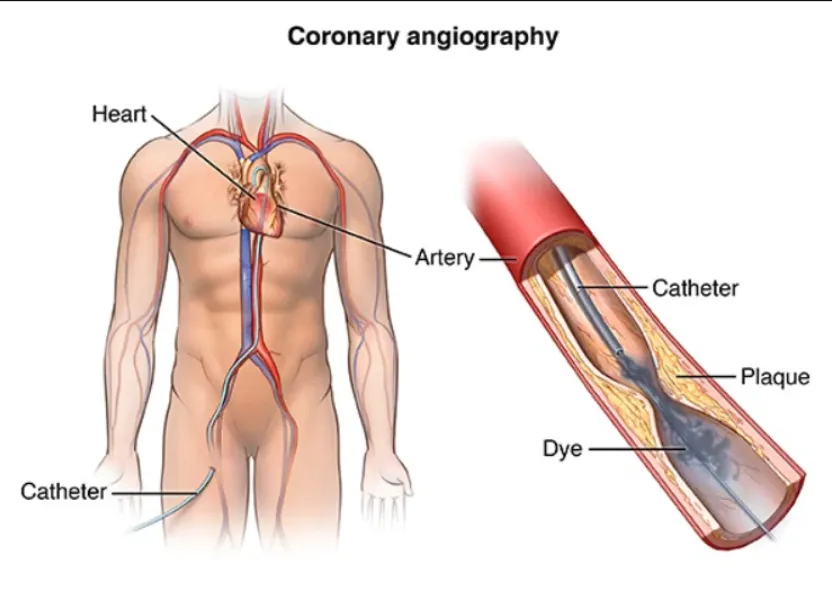
Coronary angiography is performed using a special contrast dye and X-ray imaging. The dye is introduced into the coronary arteries through a thin catheter inserted into a blood vessel, usually in the wrist or groin. As the dye flows through the arteries, detailed images reveal how well blood is reaching the heart muscle.
The procedure provides valuable information that cannot always be obtained through routine heart tests alone.
When Might Your Cardiologist Recommend Coronary Angiography?
A cardiologist may recommend this procedure if you have:
- Ongoing or recurring chest pain
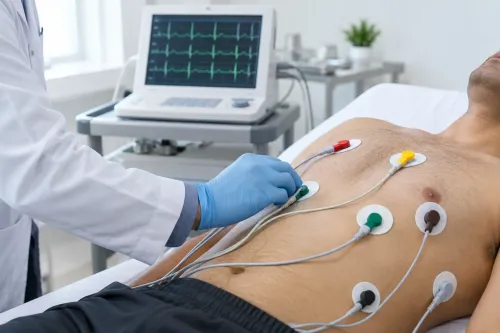
- Abnormal ECG findings
- An abnormal Stress Test
- Reduced blood flow detected during other cardiac evaluations
- Symptoms suggesting coronary artery disease
- A previous heart attack requiring further assessment
- High-risk findings during routine cardiac investigations
Not everyone with chest discomfort requires angiography. The decision depends on symptoms, medical history, risk factors, and the results of preliminary investigations.
What Happens During the Procedure?
The procedure generally follows these steps:
- A small area is cleaned and numbed with local anesthesia.
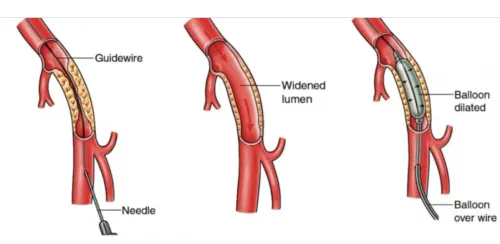
- A thin catheter is carefully guided through a blood vessel.
- Contrast dye is injected into the coronary arteries.
- Multiple X-ray images are captured from different angles.
- The catheter is removed after the examination is complete.
Most patients remain awake throughout the procedure and can communicate with the medical team.
What Can Coronary Angiography Detect?
This investigation can identify:
- Narrowed coronary arteries
- Complete arterial blockages
- Multiple vessel disease
- Congenital abnormalities of coronary arteries
- Blood flow patterns within the heart
- Areas requiring further treatment such as coronary angioplasty
Accurate diagnosis helps doctors recommend the most suitable treatment instead of relying on assumptions.
Benefits of Early Diagnosis
Detecting coronary artery disease before it becomes an emergency offers several advantages:
- Better treatment planning
- Reduced risk of severe cardiac events
- Timely medical management
- Identification of patients who may benefit from minimally invasive procedures
- Improved long-term heart health monitoring
Heart Care in Kalyan
Heart disease risk factors such as diabetes, hypertension, obesity, smoking, and sedentary lifestyles are becoming increasingly common across Maharashtra, including Kalyan. Access to comprehensive cardiac evaluation close to home enables patients to receive timely assessment without unnecessary delays.
If persistent cardiac symptoms or abnormal heart test results require further investigation, consulting an experienced cardiologist can help determine whether coronary angiography is appropriate. Early evaluation often leads to more informed treatment decisions and better management of cardiovascular health.
Keywords