Muktai Heart Care Clinic evaluates patients with serious heart rhythm disturbances and provides appropriate cardiac interventions, including temporary pacemaker insertion when medically indicated. Although many rhythm abnormalities can be managed with medication, certain situations require immediate pacing support to maintain an adequate heart rate.
A temporary pacemaker is designed to provide short-term assistance until the heart's rhythm stabilises or a permanent treatment plan is established.
What Is a Temporary Pacemaker?
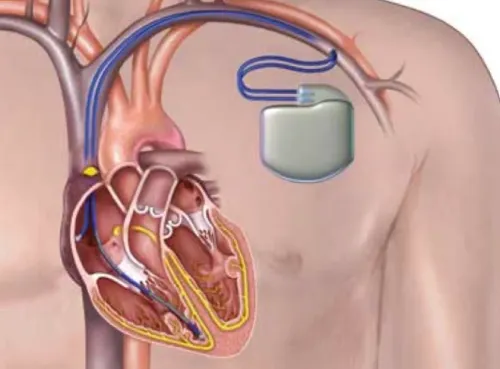
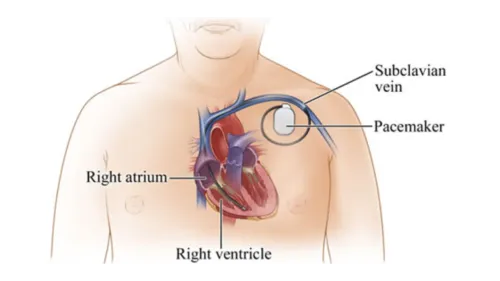
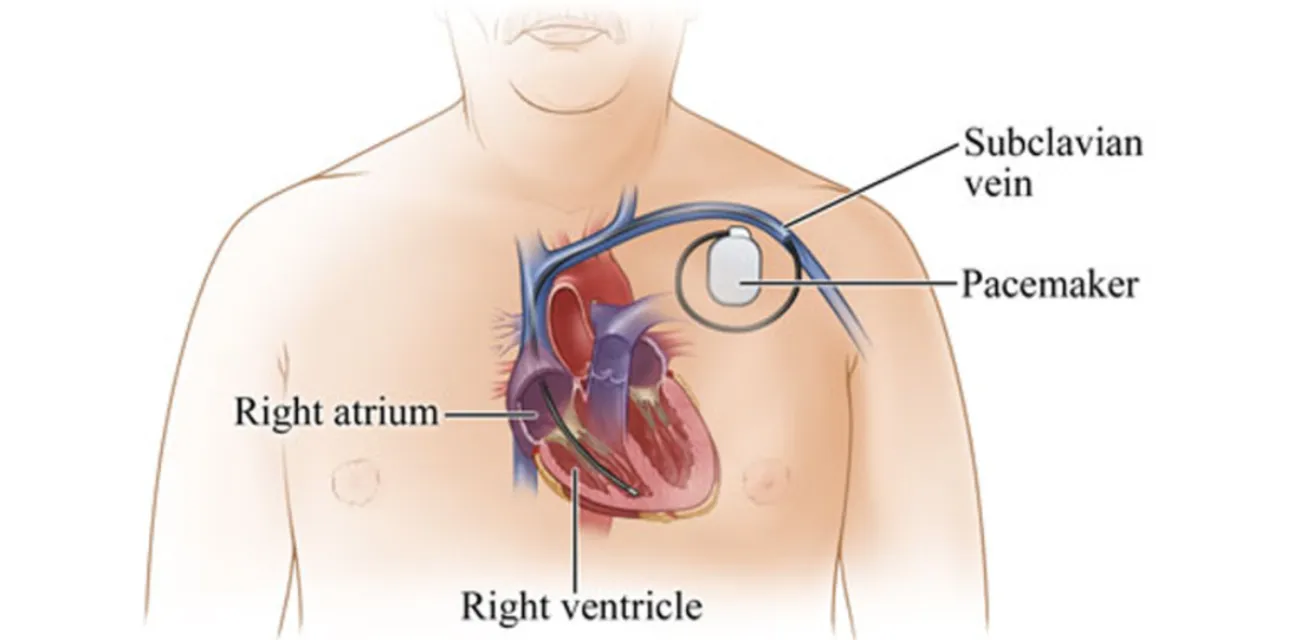
A temporary pacemaker is a medical device that sends electrical impulses to the heart when its natural rhythm becomes dangerously slow or unreliable.
Unlike a permanent pacemaker, it is intended for temporary use during emergencies, after certain procedures, or while doctors determine the underlying cause of the rhythm disturbance.
Situations Where a Temporary Pacemaker May Be Required
A cardiologist may recommend a temporary pacemaker in situations such as:
- Severe slow heart rate
- Certain heart attacks affecting the electrical conduction system
- Complete heart block
- Recovery after specific cardiac procedures
- Drug-induced rhythm disturbances
- Temporary support before permanent pacemaker implantation
Each decision is based on the patient's clinical condition rather than symptoms alone.
How Is It Inserted?
The procedure generally involves placing a pacing wire through a vein into the heart under imaging guidance.
Throughout the process:
- Heart rhythm is continuously monitored.
- The pacemaker settings are adjusted according to the patient's needs.
- Medical professionals observe the patient's response closely.
The procedure is performed in a controlled hospital setting.
How Long Is It Used?
The duration varies depending on the underlying condition.
Some patients require temporary pacing for only a few hours, while others may need support for several days until:
- Heart rhythm returns to normal
- Medications become effective
- A permanent pacemaker can be safely implanted
- The underlying illness improves
Regular monitoring helps determine the appropriate timing for removal.
Recovery and Follow-Up
Patients receiving temporary pacing remain under continuous medical supervision. The healthcare team monitors heart rhythm, blood pressure, and overall recovery before deciding on the next stage of treatment.
Once the temporary pacemaker is no longer required, further evaluation helps determine whether long-term rhythm management is necessary.
Cardiac Rhythm Care in Kalyan
Access to timely emergency cardiac care plays an important role in managing serious rhythm disorders. Individuals experiencing repeated fainting, severe dizziness, or symptoms suggestive of significant slow heart rhythm should seek prompt medical evaluation.
Appropriate diagnosis allows cardiologists to determine whether temporary pacing or another treatment option offers the safest path toward recovery.
Keywords